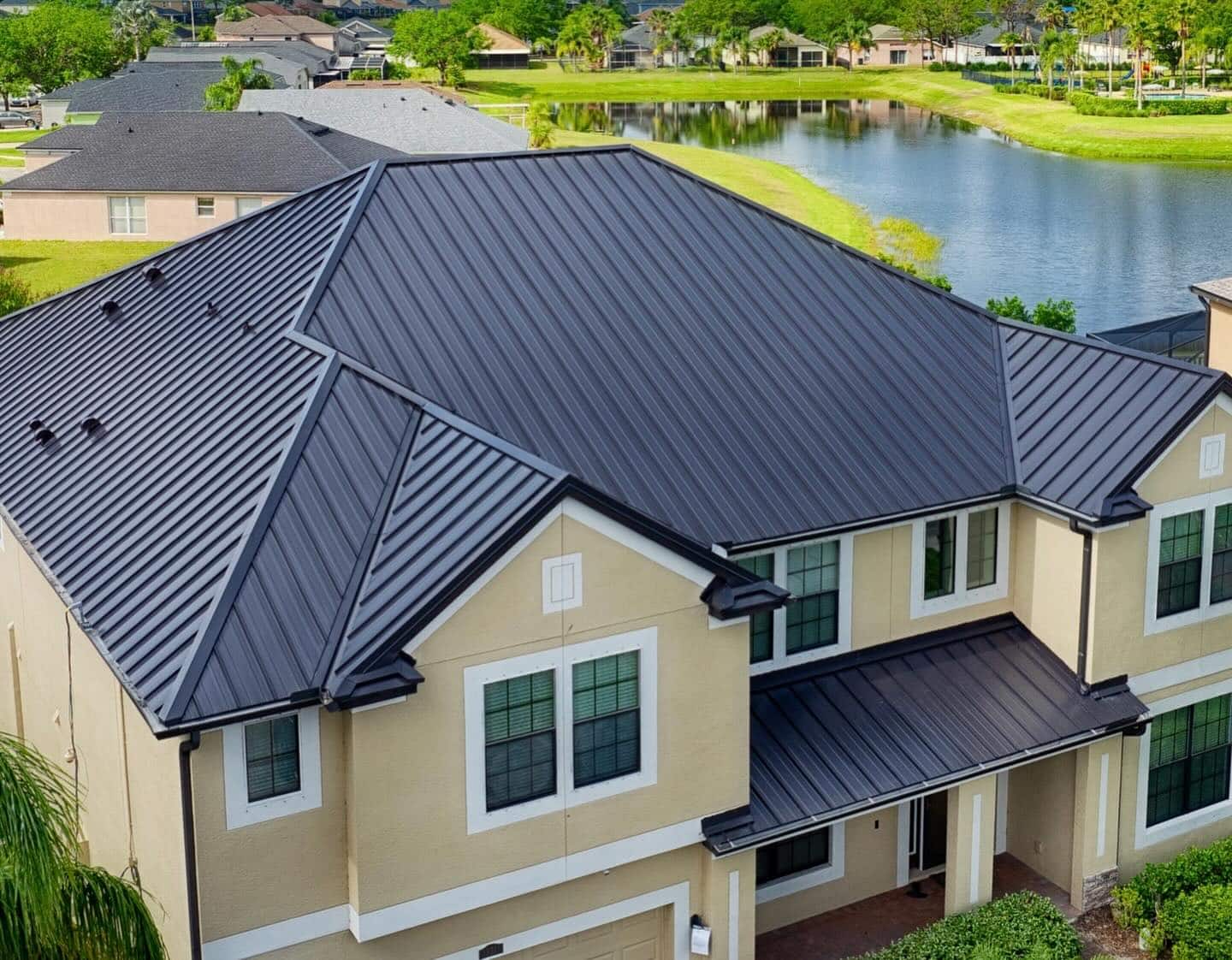
What a Routine Inspection Covers
A routine metal roof inspection examines the key elements, and a McCordsville homeowner benefits from knowing what it covers. Here is what is checked.
Fasteners
On exposed-fastener systems, the inspection checks the fasteners for any that have loosened or whose washers have worn, since these are a common point to maintain and can let water in if neglected. Checking the fasteners is a key part of the inspection. They are watched closely. They are a maintenance point. They warrant attention.
Seams and Flashing
The inspection examines the seams and flashing, the spots that seal the roof's transitions and penetrations, looking for any loosening, deterioration, or issues, since these are common leak points if they fail. The seams and flashing get careful attention. They are vulnerable spots. They are checked thoroughly. They matter for water-tightness.
Panels and Finish
The inspection looks at the panels and finish, checking for any damage, and noting the condition of the finish, since a worn finish may eventually warrant attention like coating. The panels and finish are assessed. Their condition is noted. They are part of the check. They reflect the roof's state.
Overall Condition
The inspection assesses the roof's overall condition, confirming it is sound or identifying anything that needs attention, tying the specific checks into a clear picture. This overall assessment is the inspection's outcome. It gives a complete view. It summarizes the roof's state. It provides the full picture.
Clearing Debris
An inspection is also a good time to note or clear any debris on the roof or in valleys and gutters, since accumulated debris can trap moisture or affect drainage. Addressing debris is part of keeping the roof sound. It is checked during inspection. It supports drainage. It is a useful step.
What It Covers, in Short
A routine inspection checks the fasteners, the seams and flashing, the panels and finish, and the roof's overall condition, and is a good time to clear any debris. It confirms the roof is sound or identifies anything needing attention.
One point worth making clear for McCordsville homeowners is that the low-maintenance reputation of metal roofing, which is well deserved, sometimes leads people to assume that a metal roof needs no attention at all, but a modest routine of periodic inspection is genuinely worthwhile and helps the roof reach its full long life in sound condition. It is true that metal roofs require far less upkeep than many other roofing materials, there are no shingles wearing out and needing replacement, and a quality metal roof can serve for decades with only minimal care. But no roof is entirely maintenance-free, and small issues can develop on any roof over time, particularly at the points that do the demanding work of keeping the roof watertight. On an exposed-fastener metal roof, for instance, the fasteners can gradually loosen or their washers wear over many years of the metal expanding and contracting, and the sealant at flashings and details can slowly degrade. The value of a routine inspection is that it catches these small issues early, while they are still minor and easily addressed, rather than letting them go unnoticed until they cause a leak and the water damage that can follow. A loosened fastener tightened or replaced in time, or a bit of deteriorating sealant renewed before it fails, is a trivial matter, whereas the same issue ignored for years could become a real problem. So routine inspection functions as inexpensive insurance for a long-lasting roof, and it also provides peace of mind by either confirming that the roof is in good condition or flagging anything that needs attention. For a durable roof meant to last decades, that small, periodic effort is well worth it.
It also helps McCordsville homeowners to have a sensible, simple framework for how often to inspect a metal roof and how to combine their own observations with professional inspections, so that roof care does not become either neglected or overdone. A reasonable routine for most metal roofs is a periodic check, such as once or twice a year, supplemented by an inspection after any major storm, since severe weather can affect even a durable roof and a post-storm look catches any storm damage early. This cadence is frequent enough to catch developing issues but not excessive, which suits a roof whose durability means it does not need constant attention, and it can be adjusted for circumstances, with an older roof, a harsh climate, or a roof with a history of issues warranting somewhat more frequent checks. In terms of who does the looking, there is a useful division between casual homeowner observations and thorough professional inspections. A homeowner can and should keep an eye out for obvious signs from the safety of the ground or from inside the home, noticing things like visible damage, debris accumulating on the roof, or interior signs such as water stains on a ceiling, and should call a professional whenever something concerning turns up. But the close, detailed inspection, examining the fasteners, seams, flashing, and panels for the subtle issues that a homeowner would miss, is best left to a professional, both because of the expertise involved and because getting up on a roof carries real safety risks that are better handled by someone equipped for it. Combining a homeowner's regular casual attention with periodic professional inspections keeps the roof well monitored without much effort, and a reliable roofing contractor can handle both the thorough inspections and any repairs that turn out to be needed.
One point worth making clear for McCordsville homeowners is that the low-maintenance reputation of metal roofing, which is well deserved, sometimes leads people to assume that a metal roof needs no attention at all, but a modest routine of periodic inspection is genuinely worthwhile and helps the roof reach its full long life in sound condition. It is true that metal roofs require far less upkeep than many other roofing materials, there are no shingles wearing out and needing replacement, and a quality metal roof can serve for decades with only minimal care. But no roof is entirely maintenance-free, and small issues can develop on any roof over time, particularly at the points that do the demanding work of keeping the roof watertight. On an exposed-fastener metal roof, for instance, the fasteners can gradually loosen or their washers wear over many years of the metal expanding and contracting, and the sealant at flashings and details can slowly degrade. The value of a routine inspection is that it catches these small issues early, while they are still minor and easily addressed, rather than letting them go unnoticed until they cause a leak and the water damage that can follow. A loosened fastener tightened or replaced in time, or a bit of deteriorating sealant renewed before it fails, is a trivial matter, whereas the same issue ignored for years could become a real problem. So routine inspection functions as inexpensive insurance for a long-lasting roof, and it also provides peace of mind by either confirming that the roof is in good condition or flagging anything that needs attention. For a durable roof meant to last decades, that small, periodic effort is well worth it.
Get a Thorough Routine Inspection
McCordsville Metal Roofing provides thorough routine metal roof inspections across McCordsville and Hancock County, checking the fasteners, seams, flashing, and panels. Call {phone} for a free inspection of your roof's condition.